


New research suggests DofE positively impacts pupil life-satisfaction, happiness and worthwhileness
Young people doing their Duke of Edinburgh’s Award (DofE) in England’s mainstream schools report improved life satisfaction, happiness and stronger connections to the community – according to new research, highlighting the impact of a multimillion-pound partnership.
The research, which has been published today by the DofE charity, lays out the positive impact DofE participation in mainstream schools appears to have on young people’s lives – thanks to a funding package from the Department for Education (DfE) and the Department for Digital, Culture, Media and Sport (DCMS).
The £7 million partnership provided grants to support costs associated with delivering the DofE such as participation places and equipment. As part of this, 462 mainstream schools across England were supported to deliver DofE programmes between 2021-2025, helping more than 35,000 young people build skills and capabilities they need to successfully navigate adult life.
Supported by social impact experts State of Life (SoL), this research includes analysis of data from more than 1,200 participants gathered through the DofE’s unique Impact Measurement Framework*. It includes Awards which were started and achieved between July 2022 and July 2024, in mainstream schools specifically targeted through DfE and DCMS funding.
The research suggests:
- By targeting schools in IMD 1-4 areas, the DofE was successful in reaching those living in the most deprived IMD areas, as well as young people from minority ethnic backgrounds.
- DofE in grant funded schools appears to have a positive effect on participants over and above young people doing their DofE generally**, with young people reporting:
- Higher increases in life satisfaction and feelings of worthwhileness, happiness and physical activity.
- Greater shifts in feelings of belonging and trust in their communities and feeling they had made a difference to the world around them.
- The reported increase in life satisfaction can be converted to a social value of £4,400 per person per year.
- Young people participating in the DofE Award in grant funded schools reported improvements across skills, including confidence, problem solving, initiative, and resilience.
- Young people reported being more physically active at the end of their DofE journey through sport and outdoor pursuits.
Ruth Marvel OBE, CEO of The Duke of Edinburgh’s Award, said: “Thanks to the committed support of the DfE and the DCMS, more young people than ever before have the opportunity – through the Duke of Edinburgh’s Award – to develop essential skills that not only set them up for life and work, but also strengthen connections with their communities.
“Not only does this research suggest that doing the DofE has a positive impact on young people’s wellbeing, resilience and sense of belonging – but that these benefits can be even greater, in some areas, for less advantaged young people. The Government’s recent commitment to an Enrichment Entitlement is an important and welcome step towards ensuring all young people have equitable access to opportunities like the DofE that engage, inspire and develop, as a complement to the academic curriculum. We look forward to continuing to work with Government to make this pledge a reality for every young person.”
The Duke of Edinburgh’s Award is committed to giving as many young people as possible the chance to do their DofE, with a focus on reaching those experiencing poverty, those with additional needs and young people from minority ethnic backgrounds.
The research also suggests that the charity is moving closer to making the DofE more widely accessible and inclusive in mainstream schools with:
- 44% of participants being from ethnic minority groups compared to 25% in DofE generally.
- Over half of Award achievers (54%) live in what’s considered a deprived area (IMD 1-4). However, even schools funded through this project in IMD 5-10, have a higher proportion of participants living in IMD 1-4 areas.
- Participants going to school in these areas have a statistically significant increase in wellbeing by the time they achieve their Awards.
- The wellbeing impact of DofE in targeted schools appears to be highest in schools in London, the South and urban areas.
In addition to mainstream schools, the multi-million pound partnership also provided ‘start-up’ support to Special Educational Needs and Disabilities (SEND) schools, Alternative Provision (AP) and Pupil Referral Units (PRU) in England. In total, it has enabled 462 mainstream schools and 128 Additional Needs and Alternative Provision settings across England to deliver the DofE between 2021-2025, enabling more than 47,500 young people to benefit from a funded place.
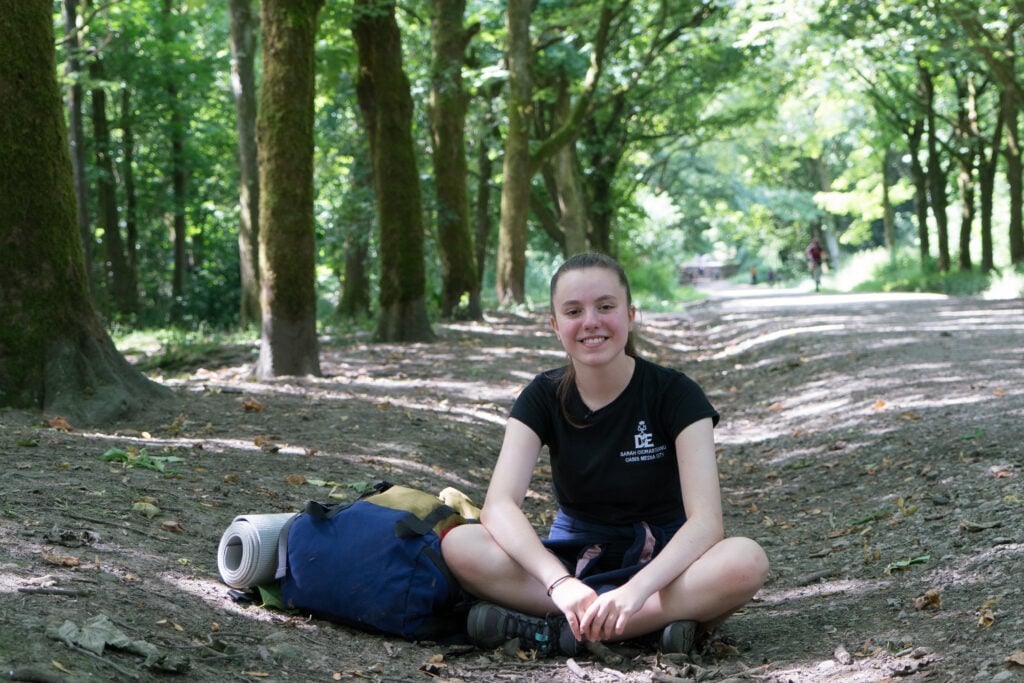
Farrell, a DofE participant who achieved his Bronze Award at 14 through Oasis Media City Academy in Salford, did his DofE thanks to UK Government funding. For many students at the school, doing their DofE was the first opportunity they had to venture out of the city.
Farrell said: “I think The Duke of Edinburgh’s Award is a once in a lifetime opportunity. When you go outdoors, it’s amazing, when you get fresh air, you get to see the wildlife, the nature. It makes me feel happy and cheerful to be honest. The DofE will be there with you for life.”
Thanks to the success of this partnership, DCMS has granted The Duke of Edinburgh’s Award charity an additional £1.5 million to support more SEND schools, Pupil Referral Units and Alternative Provisions in England, to start delivering the DofE – and to diversify and grow the sports-based opportunities available to young people doing a DofE programme.
Find out more about the funding available to support organisations to deliver the Award.
* The DofE’s innovative Impact Measurement Framework uses an open data methodology to measure the difference taking part in the DofE can make to participants, comparing DofE data with UK-wide youth
** ’DofE generally’ refers to the 2024 Impact Report analysis sample. When we are looking at demographic breakdown of the sample, it refers to findings from the 2023-2024 Annual Statistics. This covered Licensed Organisations delivering in regular settings, including DfE and DCMS funded settings.
- DofE’s partnership with DfE and DCMS provided 43,824 funded places in mainstream schools in England, with 35,059 young people enrolled to date (March 2025). population data in some key areas.
- To date, over, 3,500 mainstream secondary schools deliver the DofE across the UK.
- The report does not include participants data from Special and Educational Needs (SEND) settings, prisons and Young Offender Institutes. DofE are currently working to adapt their Impact Measurement Framework for these settings, through exciting test and learn pilots.