
Why Ashwin believes voting at 16 is about inclusion, not age
Ashwin is a 2025-26 UK Youth Ambassador and is no stranger when it comes to championing youth voices. He’s previously held roles on the NCS and NHS Youth Advisory boards. He speaks about his first time voting and why he believes lowering the voting age to 16 ensures young people’s voices will be heard.
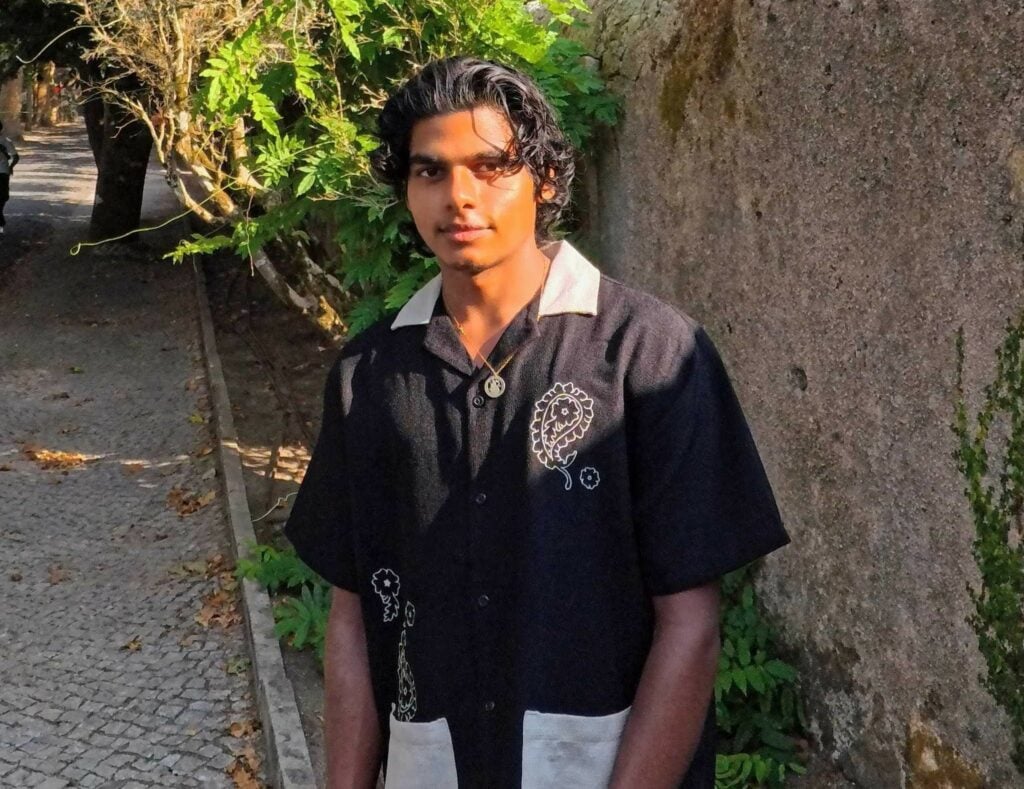
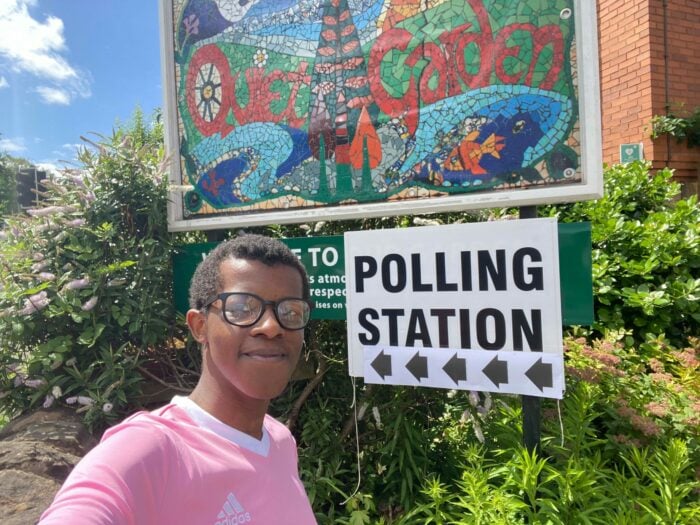
I still remember when my polling card arrived. Seeing my name printed on official paper, with the election date written at the top, felt like a small but important moment. Walking into the polling station and casting my vote, I didn’t feel like a young person waiting to be taken seriously. I felt like I belonged.
That feeling of belonging matters. Voting is often described as a civic duty, but it is also a powerful signal of inclusion – of being recognised as part of society, with a stake in the decisions that shape our lives. But voting wasn’t the first time I found my voice. That came earlier, through DofE.
For my volunteering section, I sat on a youth advisory board that helped shape programmes reaching more than 20,000 young people. I wasn’t there to observe or rubber‑stamp decisions. I was there to be part of them. That experience showed me what meaningful participation looks like in practice: when adults genuinely listen to young people, the outcomes are stronger, more relevant, and more grounded in lived experience.
I’m now a DofE Youth Ambassador, and that work has continued. A lot of it is about making sure young people’s experiences are heard and fed back, so the programme continues to work for those taking part in it. The takeaway has stuck with me: giving people a voice only matters if that voice carries weight. Participation without influence quickly becomes tokenistic.
That’s why the Representation of the People Bill matters to me. If passed, it would lower the voting age to 16 across all UK elections, giving around 1.7 million 16 and 17 year‑olds the right to vote. It would be the biggest expansion of the parliamentary franchise in decades, following similar changes already made in Wales and Scotland.
There’s a common idea that young people don’t care about / don’t engage with politics. It’s an easy assumption to make, but it doesn’t really hold up. Research, including DofE’s Youth Voices 2024 study, suggests many young people care deeply about issues like climate change, housing, education and mental health, often because we’re living with their consequences already, and will continue to do so for years to come.
That said, scepticism around Votes at 16 isn’t unreasonable. Some people have questions about whether younger voters will turn out, engage seriously, or feel confident taking part. Those questions deserve to be taken seriously. Experience from Scotland and Wales, where 16‑ and 17‑year‑olds have been voting in devolved elections for several years, suggests those concerns haven’t materialised in the way some feared. In fact, people who vote earlier are more likely to keep voting later on.
At its core, lowering the voting age is about extending participation. It is about recognising that 16‑ and 17‑year‑olds already take on significant responsibilities – working, paying tax, volunteering, and contributing to their communities in meaningful ways. Giving young people a formal say in democratic decisions reflects the reality of those contributions.
My hope is that Votes at 16 widens engagement in our democracy by giving more people the chance to take part earlier in their lives. The best way to respond to scepticism isn’t to switch off, but to lean into participation. When people feel their vote matters, they’re more likely to take democracy seriously and stay involved. Making sure young people have access to clear, impartial information will be key to getting this right. Schools, youth organisations, and programmes like DofE already play a valuable role in helping young people build confidence, critical thinking, and a sense of social responsibility. These are the foundations of active citizenship, whether in the ballot box or beyond it.
To every 16 and 17‑year‑old: the opportunity to have a say is on the way. What we do with it matters.
First time voting in the local elections? Read six things you need to know before voting in your first general election.