


How volunteering with the NHS shaped my future
The heart of the NHS has and always will be people. From health professionals to advocates, to playworkers, to the many more individuals across different fields who keep the NHS running. It also relies on the 70,000 people who volunteer across its trusts, contributing millions of hours of service. They are the people who greet you at the door when you are anxious about a procedure, sit beside patients who need someone to listen, help serve tea in the emergency department, run hospital radios, raise money and make an unfamiliar hospital feel just that little bit more human. Whatever your interests, there is probably a place for you in the NHS.
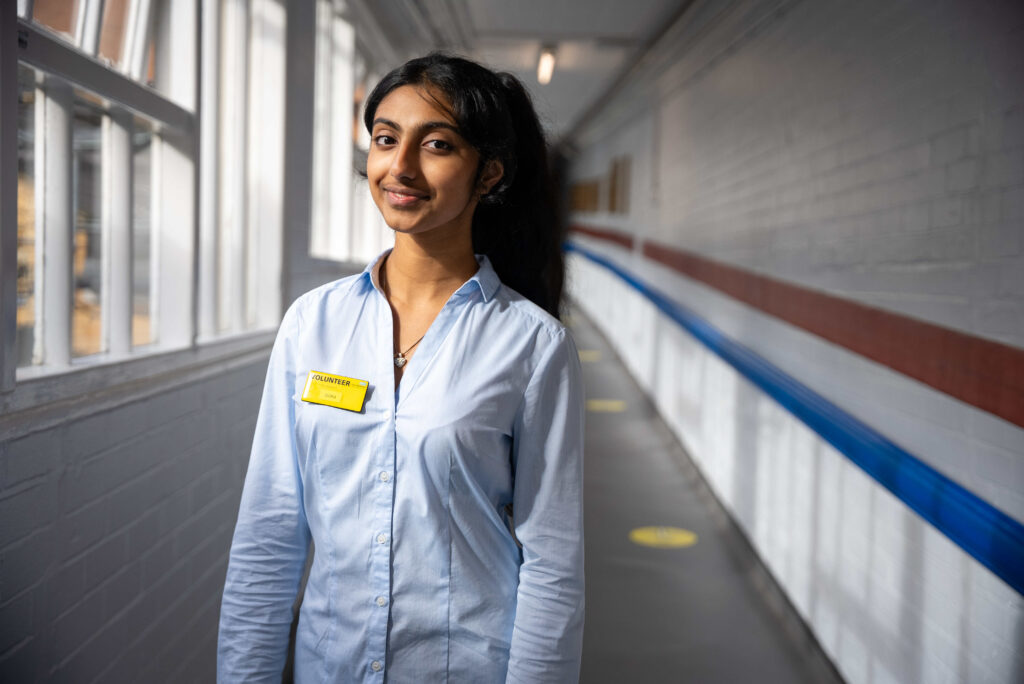
My volunteering journey began at 13 through The Duke of Edinburgh’s Award (DofE), where a plethora of opportunities were advertised on their website for our Volunteering section. I started off volunteering for conservation with the John Muir Award scheme before working in mentorship at my school. Eventually, volunteering became a big part of my life beyond my DofE. I was able to support residents at a care home and work on health initiatives that I believed in.
My health volunteering began at 15, when I joined an NHS Youth Forum at the incredible Royal Berkshire Hospital. I was inspired by the idea that I could have a voice in shaping the policies that affected young people like me. I joined focus groups on primary care access, evaluated the paediatric ward and organised a Christmas gift drive to provide board games and activities for teenagers as well as younger children. I later joined an advisory board for a patient advocacy service, helping to ensure that both the service and its advertising were accessible and relevant to young people. Then, with a friend, I started a hospital radio show for teenagers, discussing music and cultural media. Eventually, at 17, I became a hospital governor. I found myself sitting in boardrooms, contributing to monthly meetings, reviewing policy and speaking directly with non-executive directors.
I had started out simply wanting to make a difference. I never expected it to take me into hospital boardrooms.
My NHS volunteering journey gave me opportunities I could never have imagined, but more importantly, it taught me that impact does not always require a title, a qualification or a degree. Sometimes, it starts with simply giving your time. I have had the privilege of meeting incredible people, from volunteers and healthcare professionals to politicians, academics and, most importantly, patients. They taught me that extraordinary things can come from doing that bit extra, out of the ordinary.
Volunteering gives so much to the community, but it also gives something back to you. It forces you outside your comfort zone. It makes you speak to people of different ages, backgrounds and experiences who you may otherwise have never crossed paths with. It teaches skills that cannot always be learnt in a classroom: how to listen, communicate, take responsibility, lead and, sometimes, simply be there for someone.
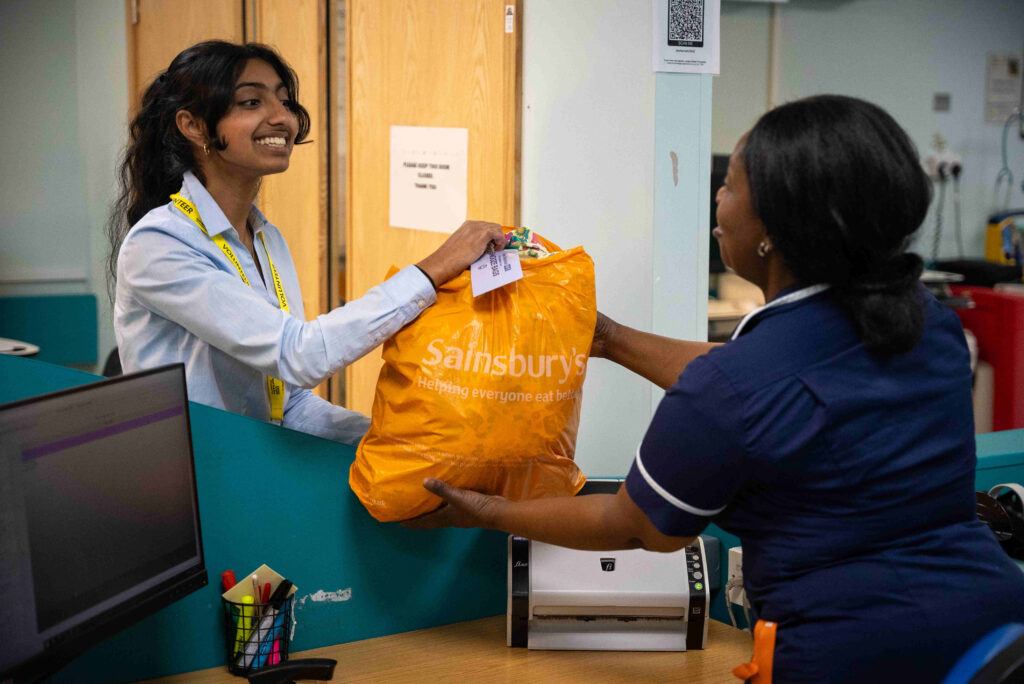
It can also open doors. Volunteering gives you the experience that many entry-level roles ask for before you have ever had the chance to gain it.
More than anything, volunteering was one of the most impactful experiences in my life. I vividly remember the relief on a patient’s face when I sat down and simply talked to them, the joy on children’s faces when I walked in carrying boxes of toys, and the impact of gestures that seemed so small: holding open a door, offering a smile, or simply saying hello. There is something powerful about watching people give their time to help someone they may never meet again, expecting nothing in return. It creates a sense of pride in your community and reminds you that, beneath all our differences, people are capable of coming together for something bigger than themselves.
The NHS offers countless opportunities to do exactly that. If you are patient-minded, you could become a playworker for children, a mealtime companion or help serve tea in the emergency department. You can be the face and the voice that someone needs on one of the most stressful days of their life. If you are creative, you could work in hospital radio or use art to fundraise. If you are interested in policy, you could join a youth forum or advisory board.
There is no single way to volunteer. You can show up and contribute your unique strengths to help make our community stronger and more resilient.
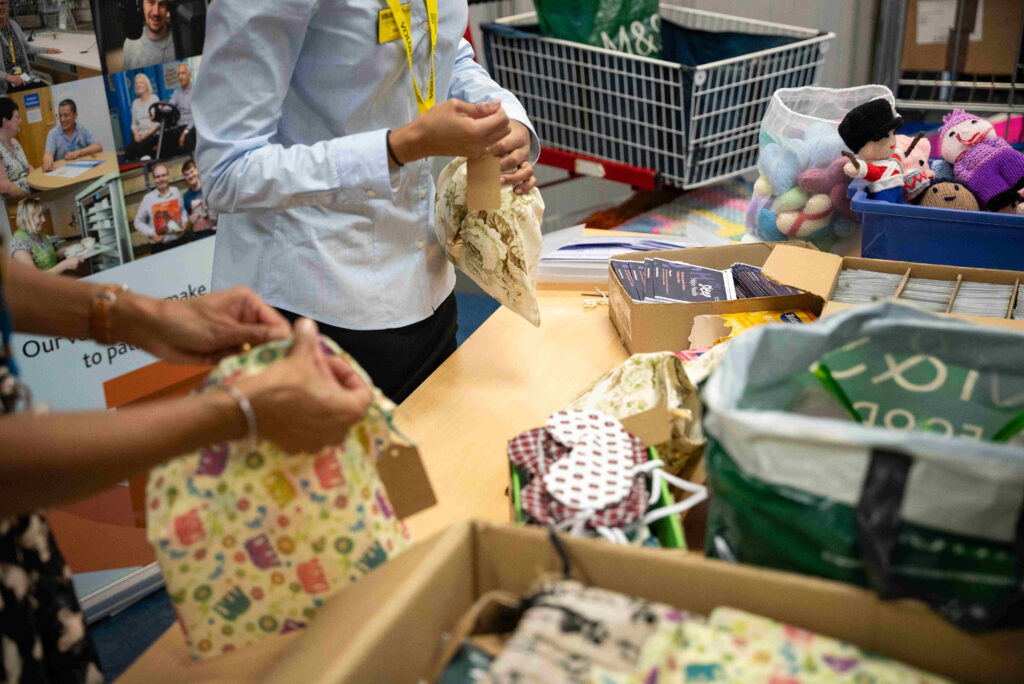
My volunteering has shaped so much of who I am today. Working with patients helped drive me towards studying medicine, where I hope to work at the intersection of clinical practice and health policy, particularly for young people and minority groups. The policy work I experienced through volunteering inspired me to become a UN Millennium Fellow, working on a project to advance Sustainable Development Goal (SDG) 3: Good Health and Well-being.
It was the DofE that first pushed me to volunteer, as well as forcing me out of my comfort zone through its other sections. I will always recommend it as a brilliant framework for youth enrichment, and I think volunteering, more than anything, equips you with the skills you need to thrive in this ever-changing world. Volunteering opened my eyes to opportunities and experiences that have helped me start building a career I am passionate about.
But most importantly, volunteering opened my eyes to a sense of humanity I hope to never lose. I have heard stories I will never forget, met people who changed my perspective on the world and individuals who inspired me to step up. It taught me that behind every patient is a journey, behind every person is a story, and behind every difference is a shared humanity.
Feel inspired by Dora’s story? Learn more about how you can volunteer for the NHS for your DofE Volunteering section.