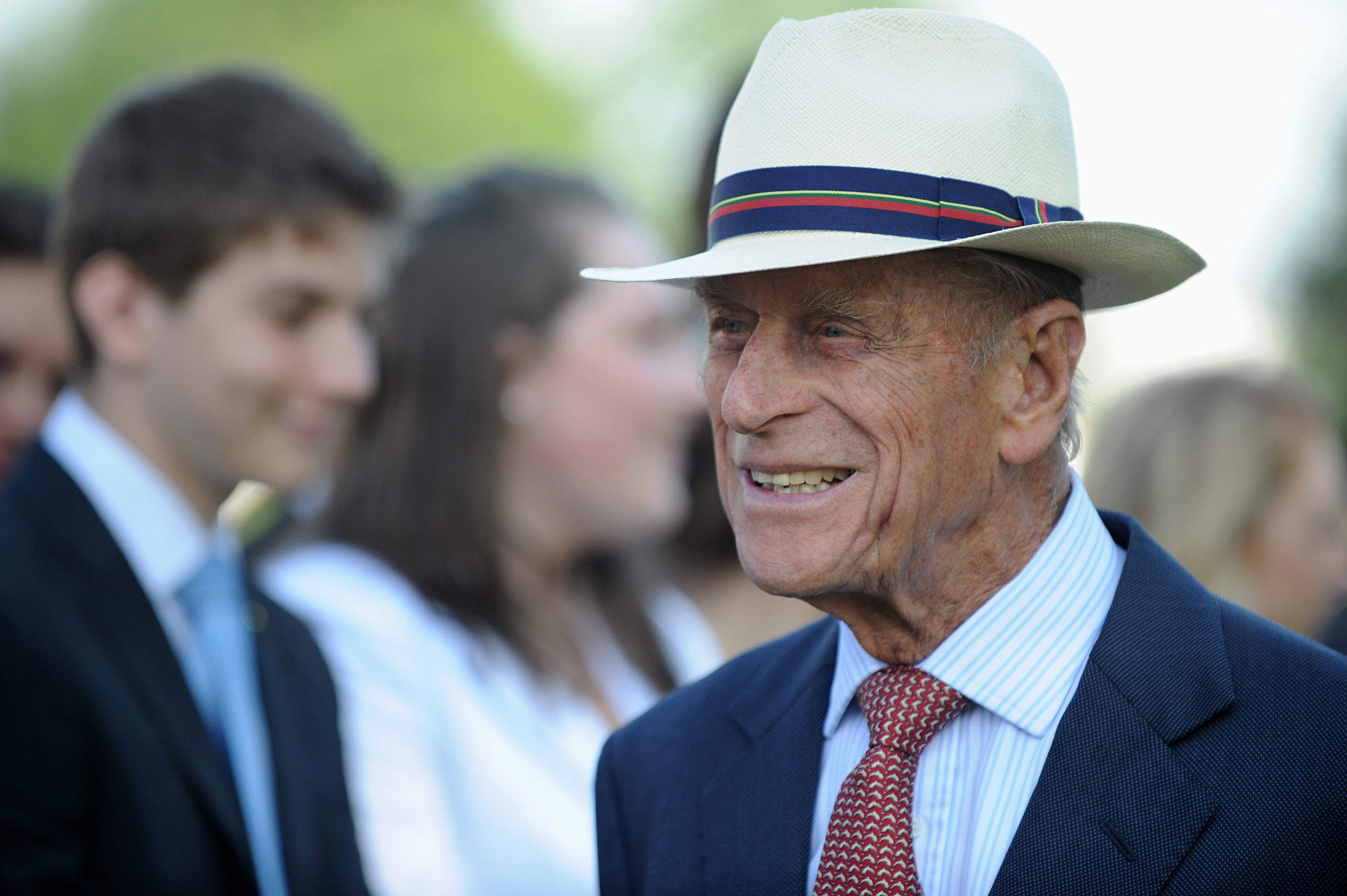


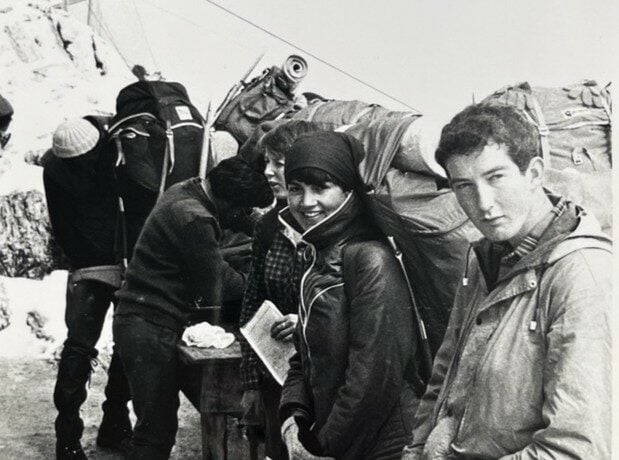
HRH Prince Philip, Duke of Edinburgh, our Founder got the idea of a national programme to support young people’s development in 1954.
In the post-war era, His Royal Highness wanted to help boys bridge the gap between leaving formal education at 15 and starting National Service at 18. He also wanted them to build self-confidence and a sense of purpose to support them into their future. A youth programme, he believed, would improve their skills and equip them to make valuable contributions to their communities and society.
In 1956, The Duke of Edinburgh’s Award pilot launched to national voluntary youth organisations. It soon expanded to include Local Education Authorities, the Armed Forces and some schools across the UK. After the first year, 7,000 boys had started a programme and 1,000 Awards had been achieved.
The DofE continued to evolve and programmes took on their current format of Volunteering, Physical, Skills, Expedition, and Residential at Gold level in 1980.
In 2020, DofE participants stepped up in response to the Covid-19 pandemic. The volunteering efforts of 330,000 young people equated to an investment of almost £8.5 million in a time of need.
A new chapter
Sadly, Prince Philip passed away in April 2021, but his legacy thrives thanks to the tireless support of a new Duke of Edinburgh.
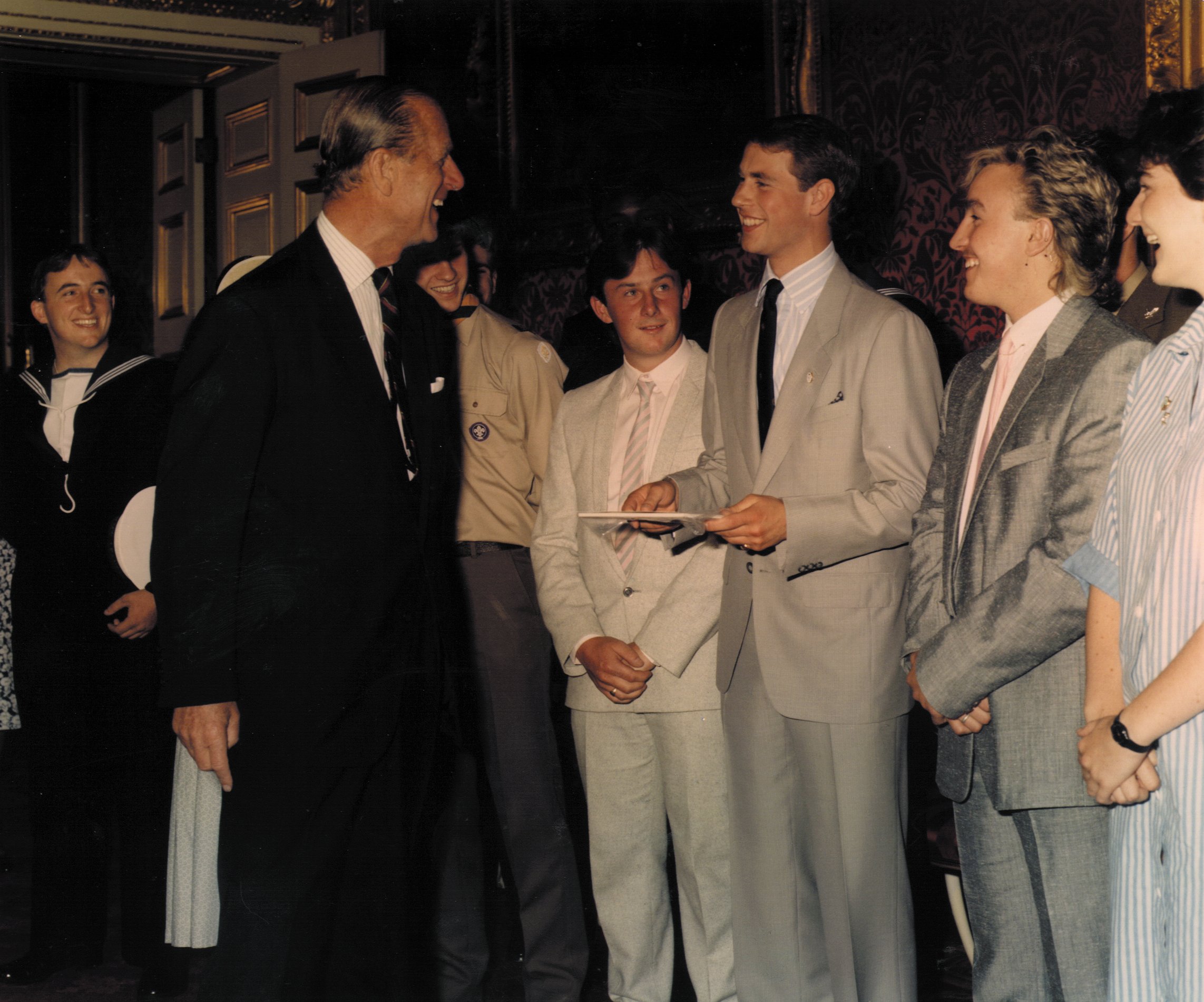
As the son of our founder, our Patron, HRH The Duke of Edinburgh has remarked that he has DofE in his DNA. In 1986, HRH Prince Phillip presented him with his Gold Award certificate. His Royal Highness became a Trustee of the Duke of Edinburgh’s International Award, and then a Trustee of the DofE charity in the UK in 1988. Since 2015, he has been Chair of the International Award Foundation, heading the global family of organisations which continue to deliver on his father’s vision.
In his different roles, The Duke has travelled around the UK and the world to support the Award. He has met participants, thanked the volunteers who make DofE possible and hosted Gold Award celebrations. He has been a proud and committed advocate of the Award and of young people.
In March 2023, The King conferred upon Prince Edward the title ‘The Duke of Edinburgh,’ succeeding his father. In the same month, he became Patron of The Duke of Edinburgh’s Award and the International Award, saying:
Being asked to take on the role after my father is a particular honour and quite a responsibility. Sustaining and enhancing what is arguably his greatest legacy around the world matters a great deal to me, as does pursuing The Award’s long-term ambition of universal access so that every eligible young person has the opportunity to participate.
Like our founder, The Duke holds a passionate belief that we should encourage and enable every young person’s potential. We are grateful for his leadership as we look for new ways to make that a reality going forwards.
Our timeline
1950s
The origins of Duke of Edinburgh’s Award
1954
HRH Prince Philip chairs a committee that considers the need for a national award for young people. The committee meets across the next six months and drafts a proposal for the structure of such an award.
1955
His Royal Highness discusses the draft proposal with the Minister for Education, then national voluntary youth organisations.
1956
In February, Buckingham Palace releases a press announcement outlining the plans for a trial period of “The Duke of Edinburgh’s Award”. Sir John Hunt is appointed to act as Secretary of the Scheme and to coordinate the Award.
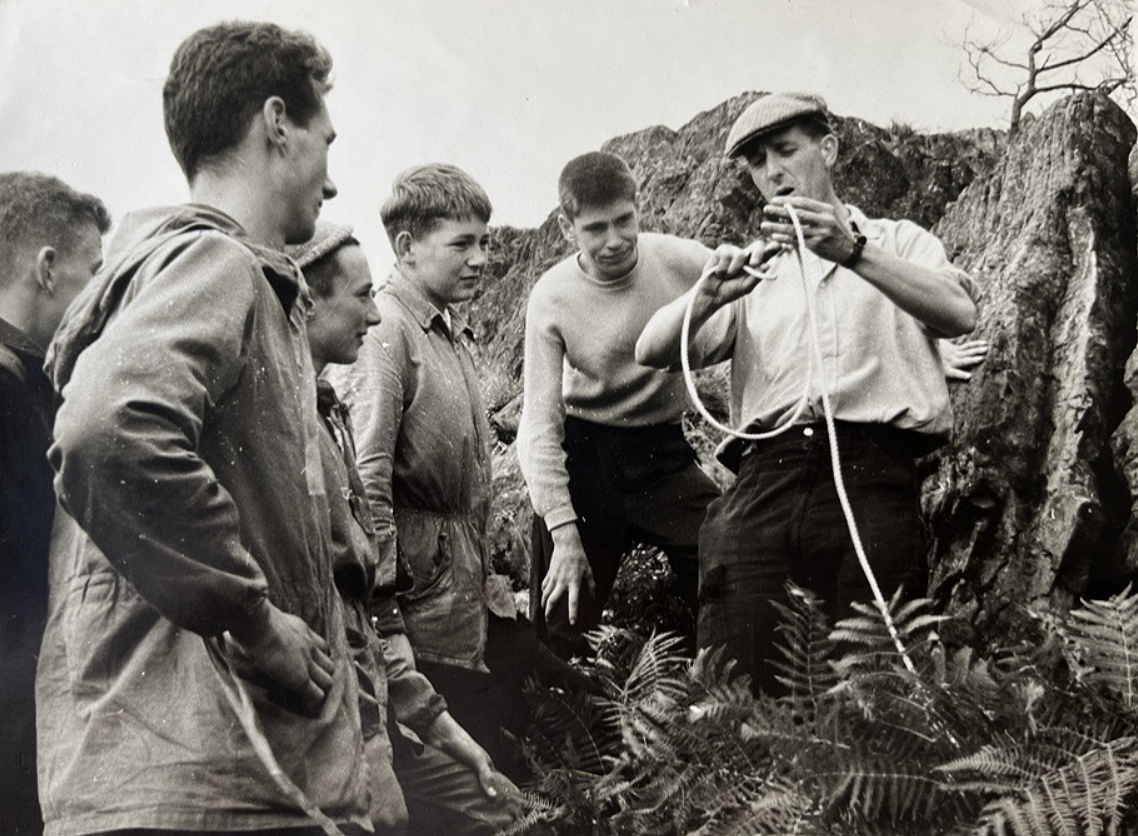
In September, The Duke of Edinburgh’s Award is launched as an experimental pilot scheme for boys aged 14 to 18. The programme sections are Rescue and Public Service Training, The Expedition, Pursuits, and Fitness.
1958
The Award’s first promotional film is released. The Way Ahead was intended as “a pictorial presentation of the Scheme for Boys and a guide to its practical working”.
The Duke of Edinburgh’s Award for Girls launches as a pilot scheme. Open to girls aged 14 to 20, the programme sections are Design for Living, Interests, Adventure, Giving Service, and a Residential Training Course as an additional element at Gold.
1959
A film promoting the Girls’ Scheme, Design for Living, is released.
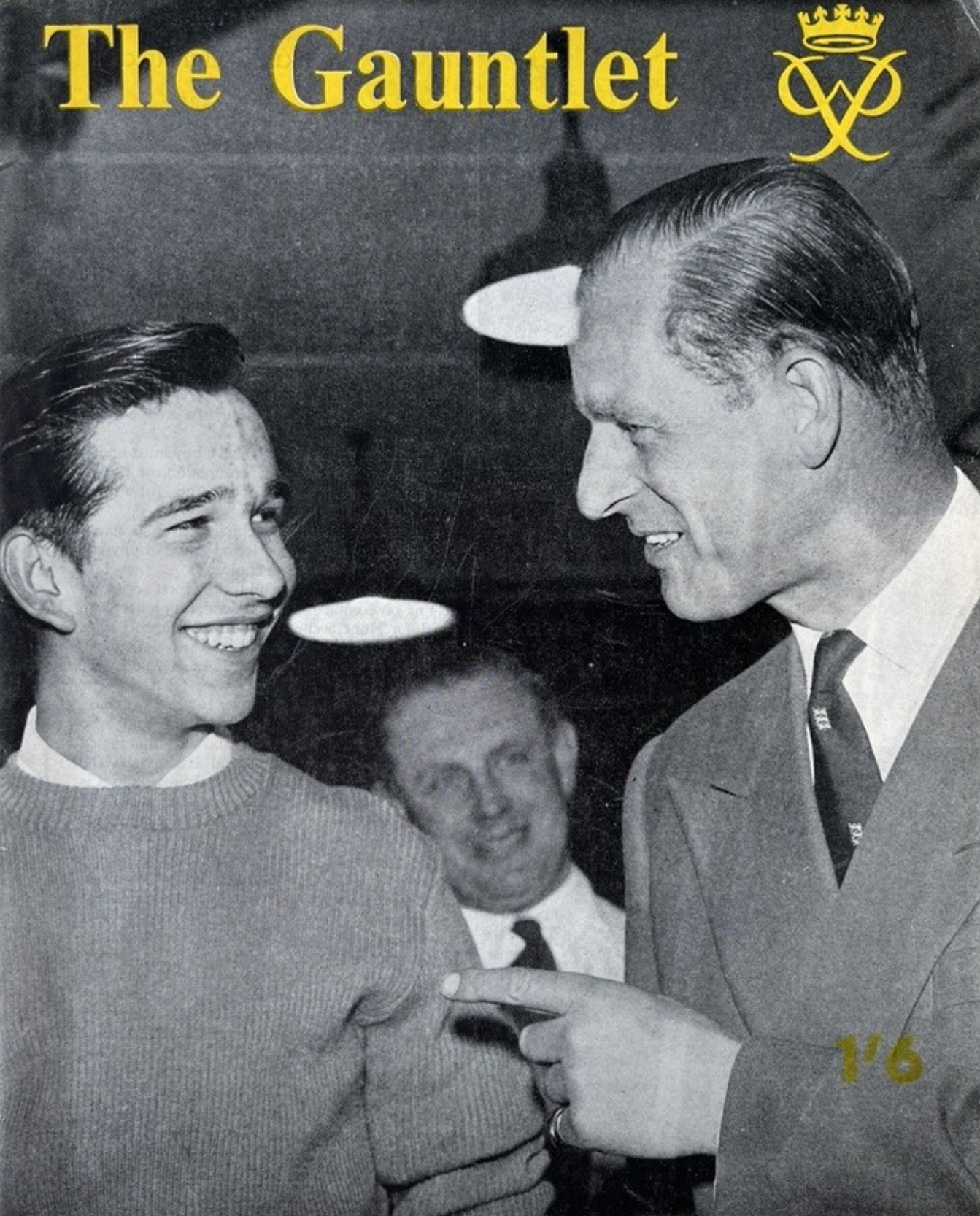
The Award Office publishes its first magazine, The Gauntlet. It featured participant stories, details of amendments to the Scheme, and practical advice such as suggested kit and rations for expeditions.
1960s
One Duke of Edinburgh’s Award for all young people
1961
The Duke of Edinburgh’s Award becomes a charitable trust. Its Trust Deed confirms Prince Philip as the first patron of the Award Scheme and Sir John Hunt as its first Director. It also places the administration of the Scheme under the control of the newly appointed Trustees and establishes the General Council and Advisory Committee.
1965
Changes are made to bring the two schemes more in line with each other. The age limit for boys is increased to the 20th birthday, and the residential course becomes a requirement for boys at Gold.
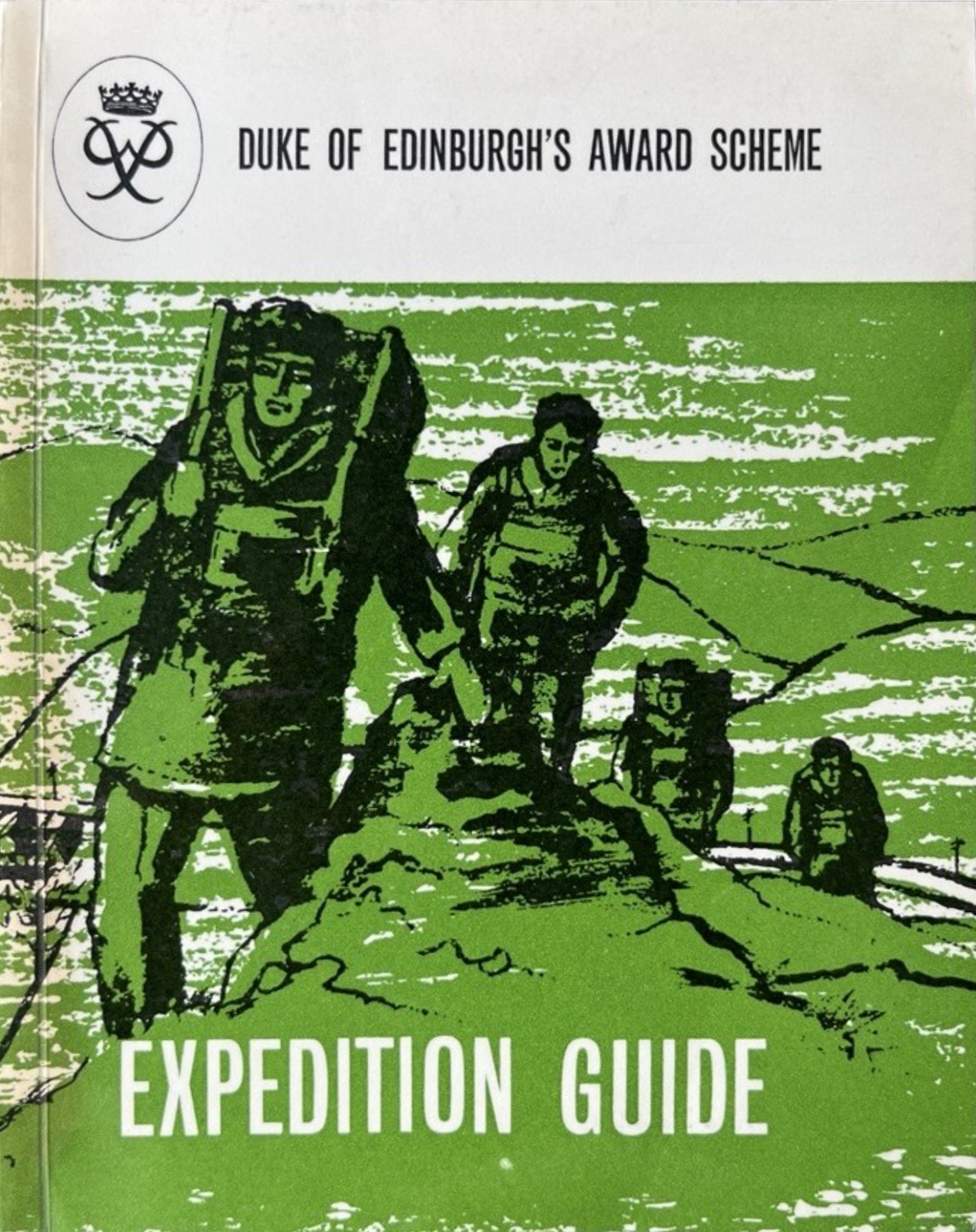
The first Expedition Guide is published. It replaces the guidance booklets that had previously supported young people and Leaders with The Expedition section.
1969
The Scheme is relaunched as one “Duke of Edinburgh’s Award” for all young people aged 14 to 21. There are still some differences between the programmes available to boys or girls.
The Service, Expedition and Interests sections are available at all levels to everyone. However, at Bronze and Silver, girls take Design for Living, and boys Physical Activity. At Gold, participants choose between the latter two sections and complete a Residential Project.
1970s
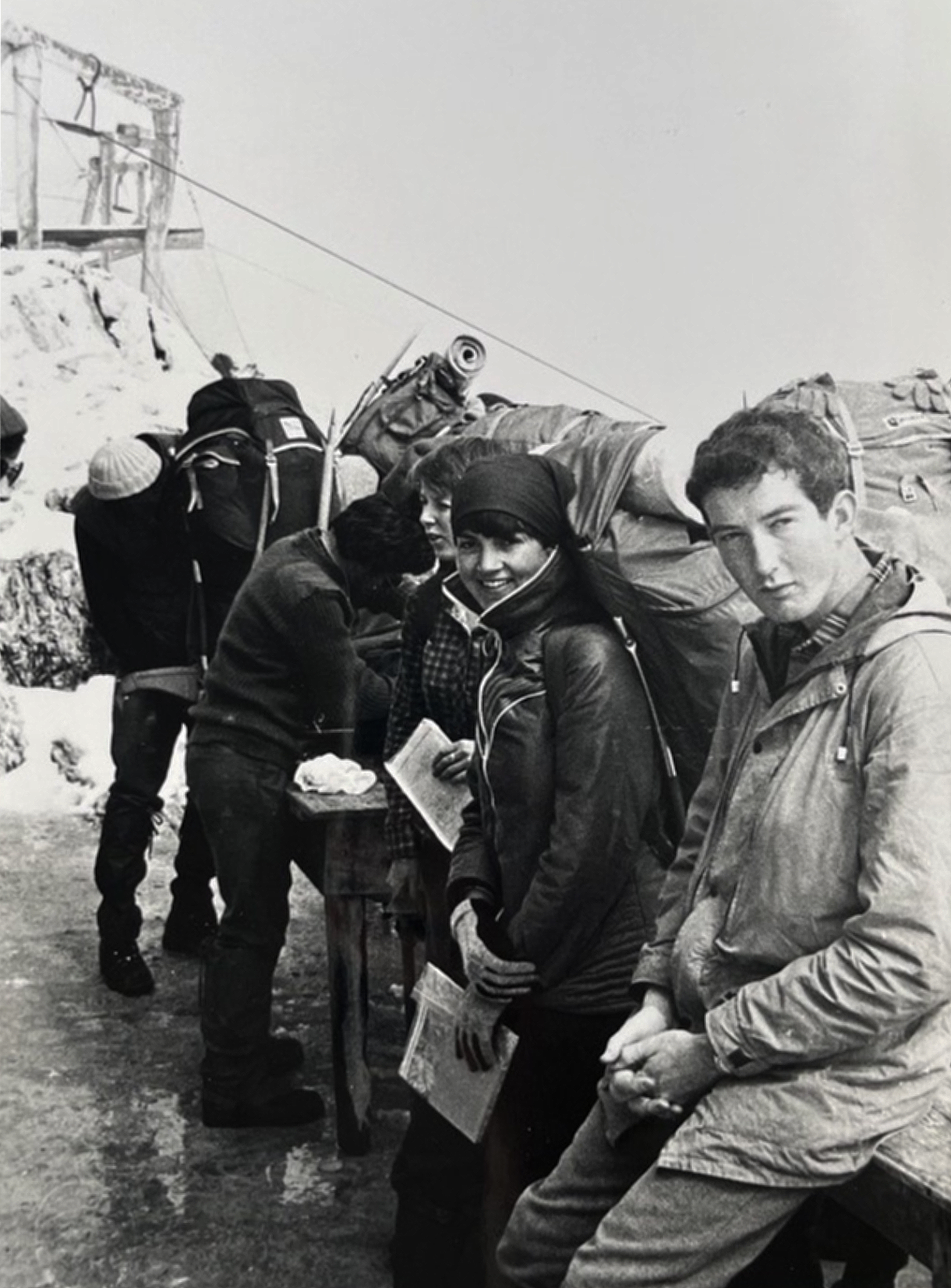
The Award reaches one million across the world
1972
The first Industrial Award Project is set up in Bristol. The project encourages participation by those who have left school and are at work and promotes the opportunities the Award can provide to both employees and employers.
1973
The upper age limit is extended, making the latest date for entry into the Scheme the 23rd birthday, with an upper age limit for completion by the 25th birthday.
1975
The number of young people starting their DofE programme worldwide reaches one million. Entrants into the UK Award Scheme alone reach one million the following year.
1980s
A new DofE programme for all
1980
One programme for all young people is launched. The new programme format means all young people complete the same four sections: Service, Expedition, Skills and Physical Recreation – and an additional Residential Project at Gold.
1986
HRH The Earl of Wessex and Forfar Prince Edward achieves his Gold Award.
1988
The International Award Association is established. The DofE had been operating overseas since its experimental period, with its reach expanding further under the Overseas department set up in 1962. In 1986, The Duke of Edinburgh’s Award International Foundation was registered as a separate charity.
1990s
DofE Business launches
1992
The Charter for Business initiative is launched, building on relationships with companies that want to secure the DofE’s future, as well as encourage their employees to take part in the Award programme.
1996
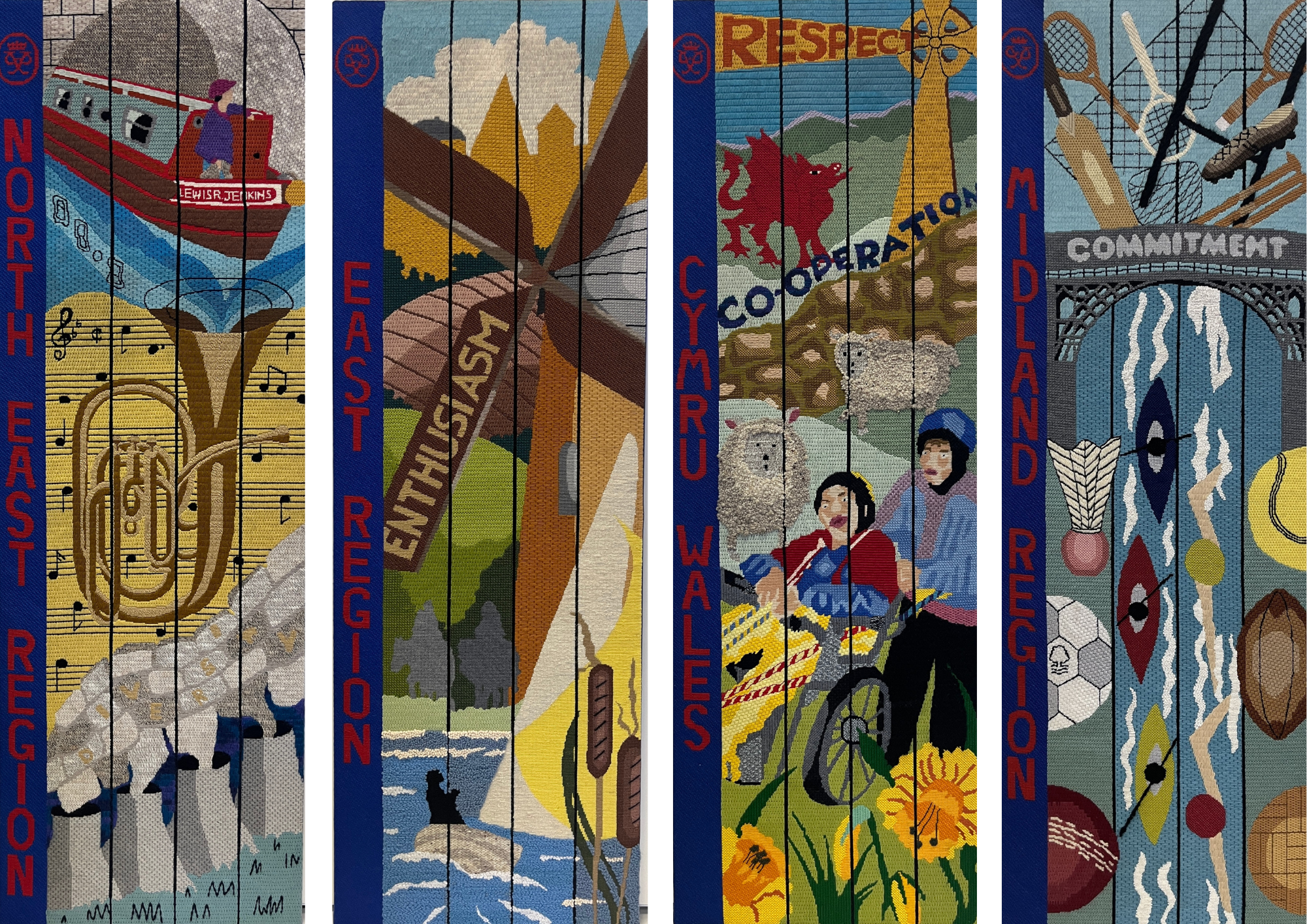
The DofE celebrates its 40th anniversary with the creation of a set of tapestries. Designed in collaboration the Royal School of Needlework, each tapestry represented a UK country or region.
The Award embraces the internet, launching its first website and email contact address.
1999
The programme changes to make it easier to understand and more appealing to young people. This includes revising the time requirements to express them in a similar format across all sections and removing the points-based system for the Physical Recreation section. The introduction of the changes is phased, with a revised handbook introduced in 2000.

2000s
DofE goes digital
2001
HRH The Duke of Edinburgh hands over Chairmanship of Trustees to Sir Tom Farmer but remains as Patron.
2004
The Expedition section is completely overhauled to be accessible for all.
2006
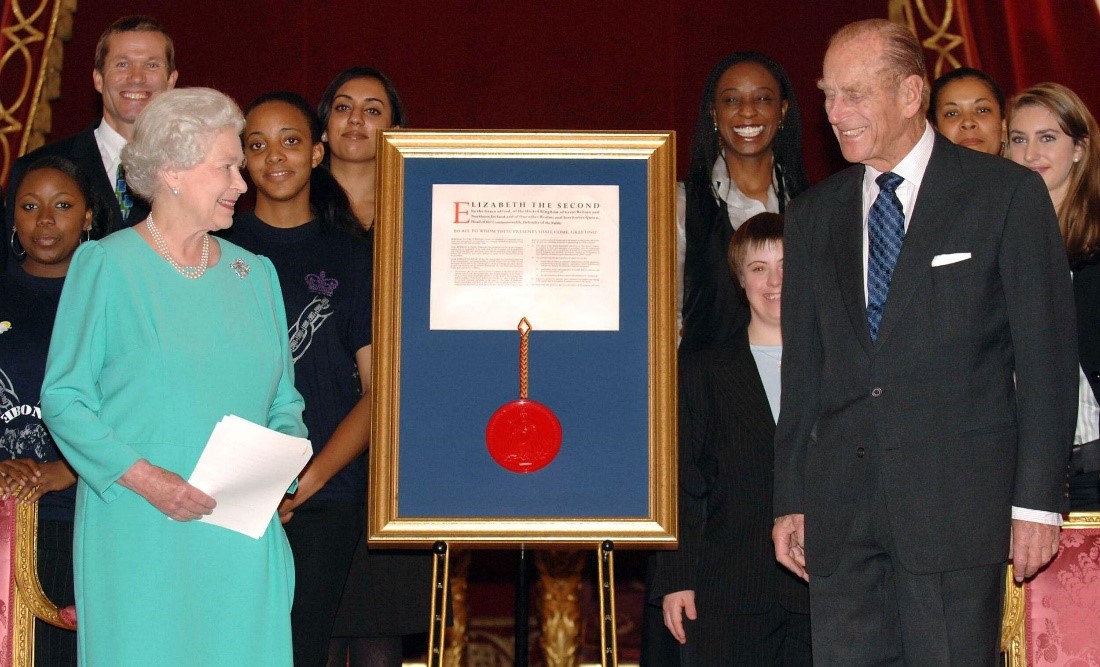
The Duke of Edinburgh’s Award celebrates its 50th Anniversary and is awarded a Royal Charter.
2009
eDofE, the DofE’s online management system is launched.
2010s
Record number of young people from disadvantaged backgrounds start their DofE
2010
Independent research, supported by The Pears Foundation, is published which evidences the positive impact DofE has on young people who take part.
2016
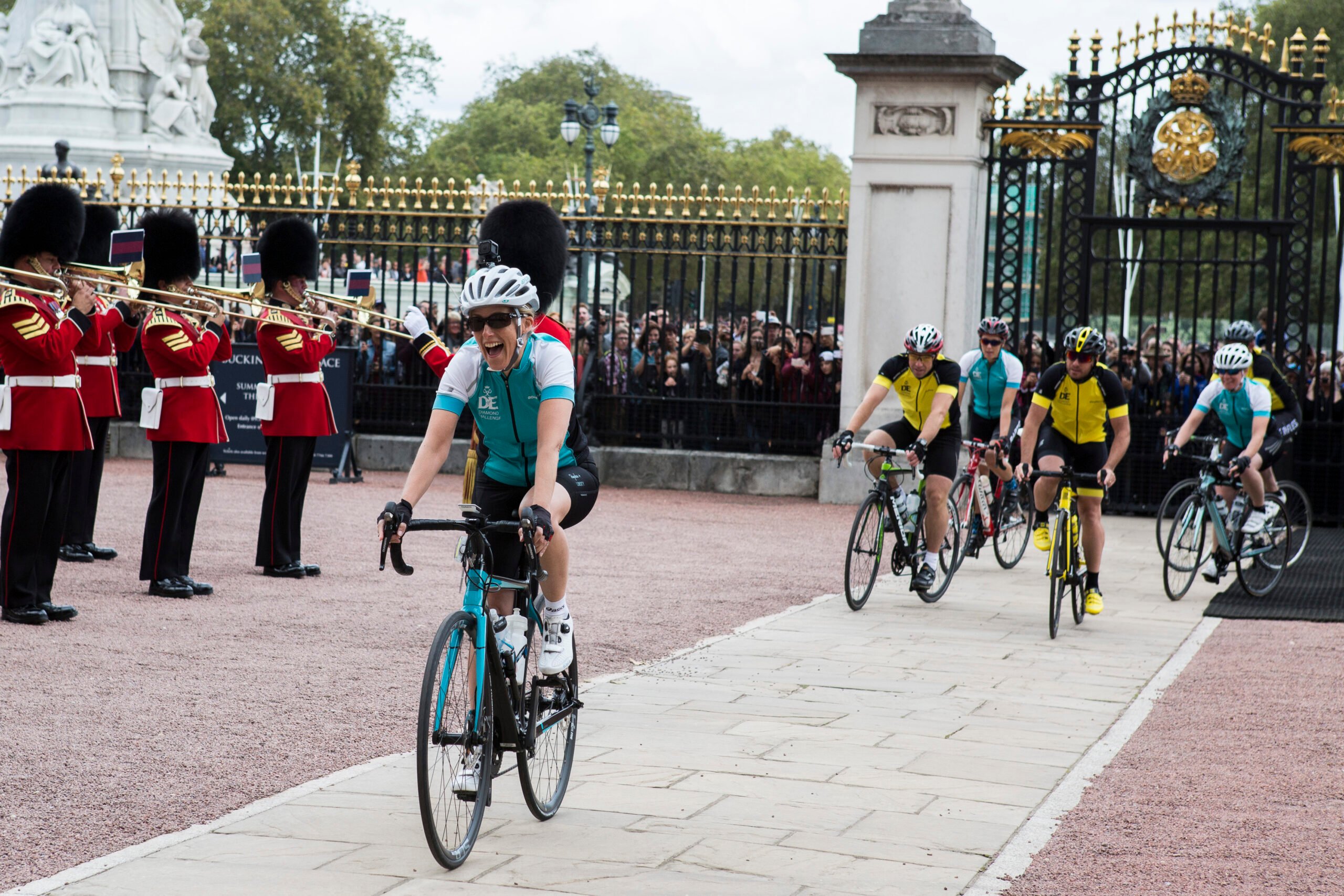
The Duke of Edinburgh’s Award celebrates 60 years and launches the DofE Diamond Challenge.
HRH The Countess of Wessex cycles from the Palace of Holyroodhouse to Buckingham Palace as her DofE Diamond Challenge and raises over £100,000.
2017
The Duke of Edinburgh’s Award launches the DofE Adventure, a chance for everyone aged 18+ to get a taste of an expedition whilst raising money for the charity.
2018
HRH The Earl of Wessex and Forfar takes on the Tennis Challenge 2018, raising over £2 million for the DofE in the UK and across the world by playing on every “real tennis” court worldwide.
2019
The Diamond Fund – comprised of Diamond Challenge fundraising and investment from the #iwill Fund – contributes to a record 68,774 young people from disadvantaged backgrounds starting their DofE in 2018/19.

2020s
Surpassing goals with Youth Without Limits/Over one million young people join in
2020
The DofE responds to the coronavirus pandemic, with young people dedicating 1.8 million hours of volunteering to their local communities.
2021
The DofE family marks the passing of Prince Philip, aged 99.
The charity launches its Youth Without Limits strategy to reach one million young people by 2026.
2023
HM The King confers upon Prince Edward the title “The Duke of Edinburgh”. His Royal Highness also becomes Patron of The Duke of Edinburgh’s Award.
2024
The DofE achieves the goal of reaching one million young people two years earlier than hoped.
2026
The Duke of Edinburgh’s Award celebrates its 70th anniversary.