


Get creative and make your DofE programme truly your own.
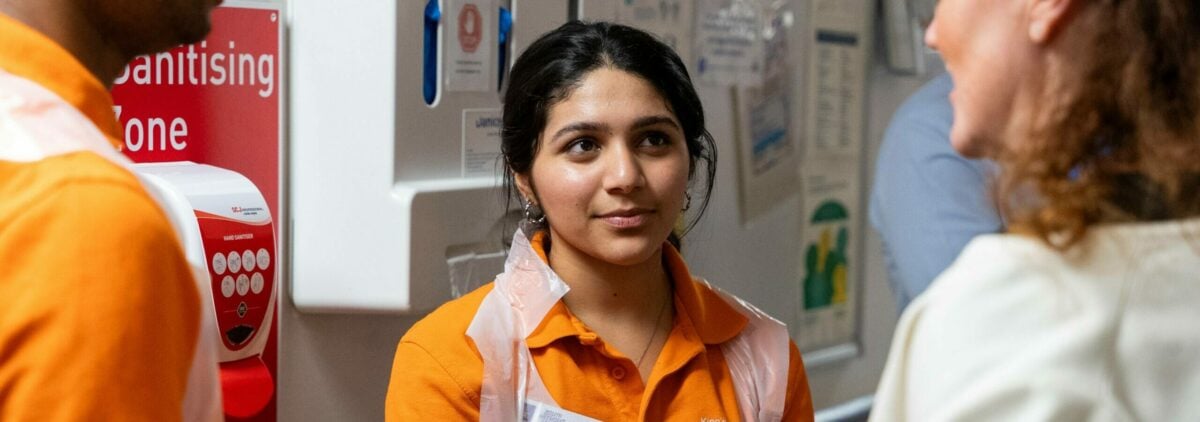
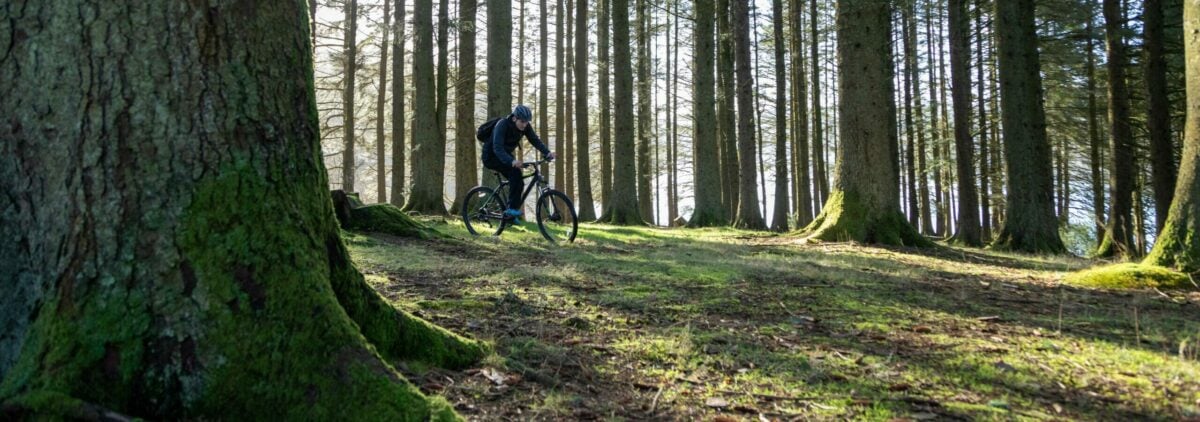
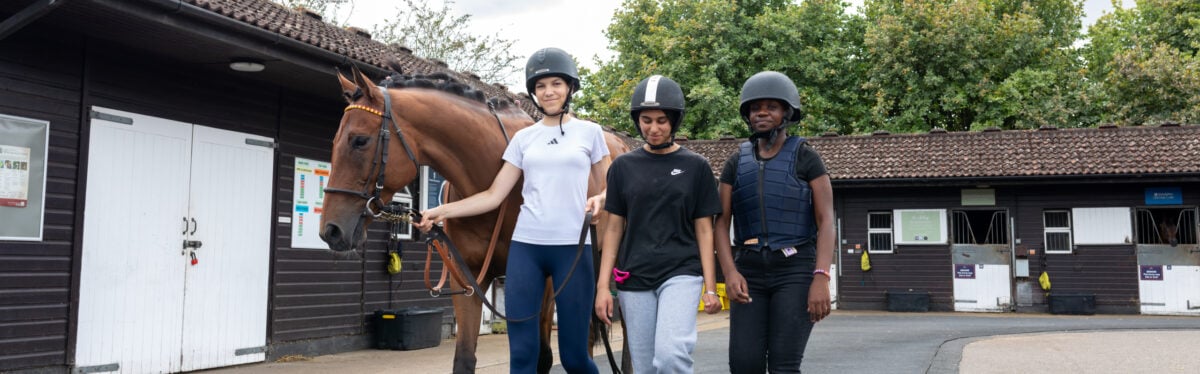
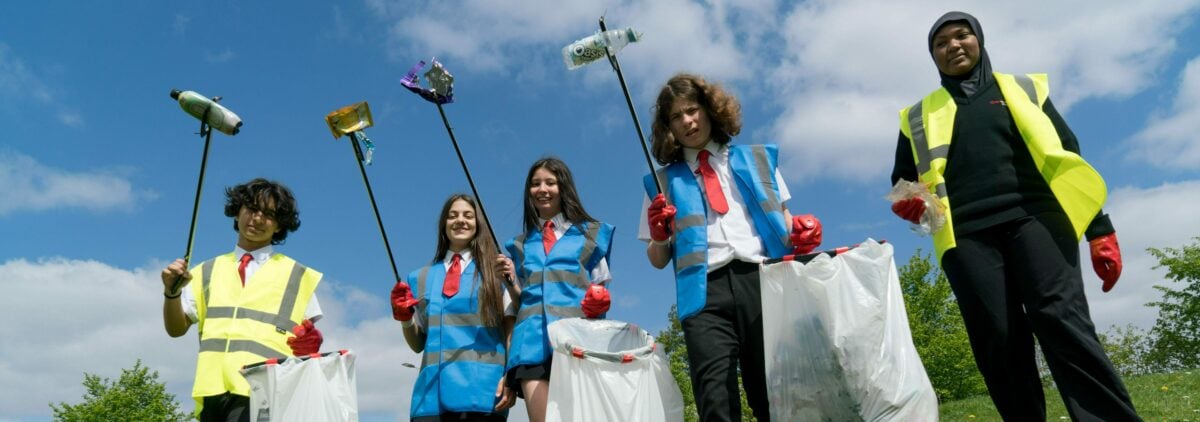
With a whole world of activities waiting, the choice is yours. Whether you’re into scaling walls, coding the next big app, spinning tunes as a DJ, dancing, or caring for animals.
You can develop hobbies you already love or dive into something completely fresh. And along the way? You’ll have a blast with friends, get fitter, master new skills, and make a real difference in your community. All while gearing up for an epic expedition.
Be sure to have a quick chat with your DofE Leader to check your activities tick the right boxes and count for the right sections. The possibilities are endless, so what will you choose?
We have activity ideas for each of the sections, programme planners and resources to help you along the way to your Award.