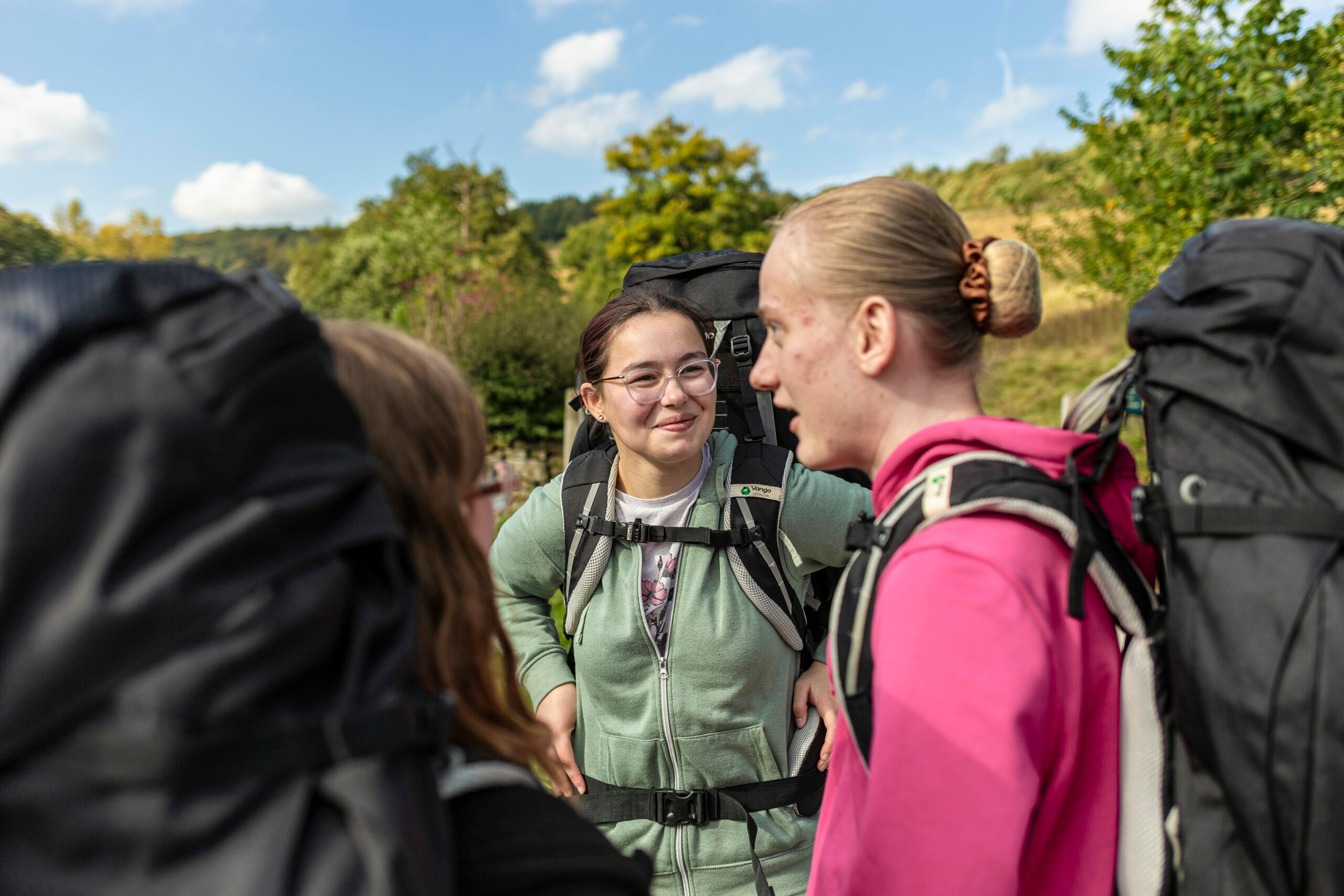
Ahead of the 2026 expedition season, we have gathered some practical tips based on trends from the 2025 incident reporting data.
This year saw a continued rise in incident reporting across the network.
This increase should be viewed positively. It reflects the impact of the new online incident reporting form and more consistent messaging around incident reporting. These developments indicate a stronger reporting culture, though increased participation and expedition activity levels are also contributing factors.
Trends and tips
Incident reporting has continued to rise since 2022. This is mainly due to the introduction of the new online form and better awareness.
- Continue encouraging all your Leaders and volunteers to report all incidents and near misses. Accurate reporting helps us identify patterns and target improvements.
Accidents have increased the most and make up most of the overall rise.
- Make use of practice expeditions to practice safe decision-making in real expedition conditions.
- Continue checking that groups are equipped, briefed and able to manage risks linked to common accident causes (slips, trips, burns and equipment misuse).
- Use debriefs to reflect on accident causes and consider what new mitigations could be built into future risk assessments.
Near miss reports have increased. This is a strong sign of a growing safety culture.
- Emphasise to your leadership teams that they should always report near misses. They hold enormous learning value and help prevent serious incidents.
- Consider introducing short “what would you do?” scenarios during training sessions to build awareness and hazard recognition.
Behaviour related incidents are still rising. Many involve unplanned decisions or entering restricted areas.
- Make behaviour expectations explicit during pre-expedition training.
- Reinforce the Countryside Code and why it matters.
- Establish clear agreements within groups before expeditions, especially at Bronze where participants have less experience.
Navigation issues remain common, even though the number of lost groups dropped slightly from 2024.
- Provide regular, practical navigation training throughout the year.
- Encourage groups to orientate maps frequently, confirm their location often, and identify features as they walk.
In 2025, the vast majority of incidents were expedition related. This is expected because expeditions carry higher risks. However, low reporting in other sections may also play a part.
- Continue prioritising high quality expedition training, especially around first aid, stove safety and navigation skills.
- Encourage leaders supporting other sections to report any incidents or near misses to make sure we keep a consistent approach across the Award.
Gold expeditions feature more prominently in incident reports (around 20%), despite lower participant numbers at this level. This reflects the increased challenge at this level and the need for appropriate support to be in place.
- Make sure Gold groups get enough training and supervision appropriate for a more challenging terrain and increased journey length. The training plan for an expedition team should be a progressive process, with skills being acquired on training sessions and then practised in the outdoor environment until participants are able to carry out the skills without support or adult intervention.
Remember: reporting isn’t about blame.
Incident and near miss reporting helps us track trends, share learning and continue improving safety year on year. The continued rise in reporting in 2025 shows a stronger culture of openness. Every report you submit or encourage contributes directly to safer, more confident DofE programme for young people.
All expeditions must follow the Expedition Training Framework which defines the training requirements for all levels. This framework is a key mitigation in reducing incidents and making sure participants are adequately trained and safe to complete a remotely supervised qualifying expedition.
If you want to learn more about how expeditions are safely organised and delivered, DofE Managers, Leaders and expedition support staff can complete the Expedition SkillBuilder module. This course builds understanding of expedition delivery, clarifies key adult roles and responsibilities, and supports adults to help young people have safe expedition experiences, without needing to complete the full Expedition Supervisor or Assessor training pathway.