For Silver and Gold levels, a practice expedition is required, offering participants the chance to develop their skills in a supportive environment before their qualifying expedition. At both levels, the practice expedition must last at least two days and two nights and take place in a different area from the qualifying expedition.
While not compulsory, practice expeditions at Bronze level provide a valuable opportunity for participants to develop skills in a practical setting. If a practice expedition hasn’t been included in the training programme, as the Supervisor, you should ensure sufficient outdoor practical training has been provided and participants must still reach the necessary skills and fitness levels for a remotely supervised qualifying expedition.
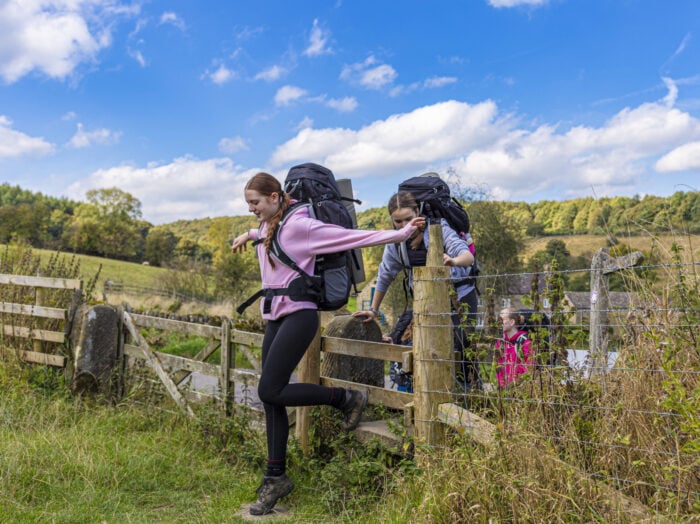
A well-planned practice expedition should mirror the qualifying expedition as closely as possible in terms of mode of travel, team size, accommodation, terrain, journey hours, and self-sufficiency.
The focus of a practice expedition is on learning, making mistakes, and improving skills with the guidance of Supervisors. It’s not about replicating the exact supervision conditions of the qualifying expedition but ensuring participants gain the necessary experience and support to be ready for it. Some participants may need more supervision depending on their experience, so flexibility is key. You should adapt your level of involvement to suit the needs of your group, gradually reducing direct supervision as participants become more confident and competent.
For those completing Bronze training walks or practice expeditions, the same principles apply and the following advice will still be helpful. The key thing is ensuring participants reach the necessary skill and fitness levels for a remotely supervised qualifying expedition. This includes verifying competence in key areas from the DofE Expedition Training Framework, such as first aid, navigation, stove use, emergency procedures, and teamwork.